
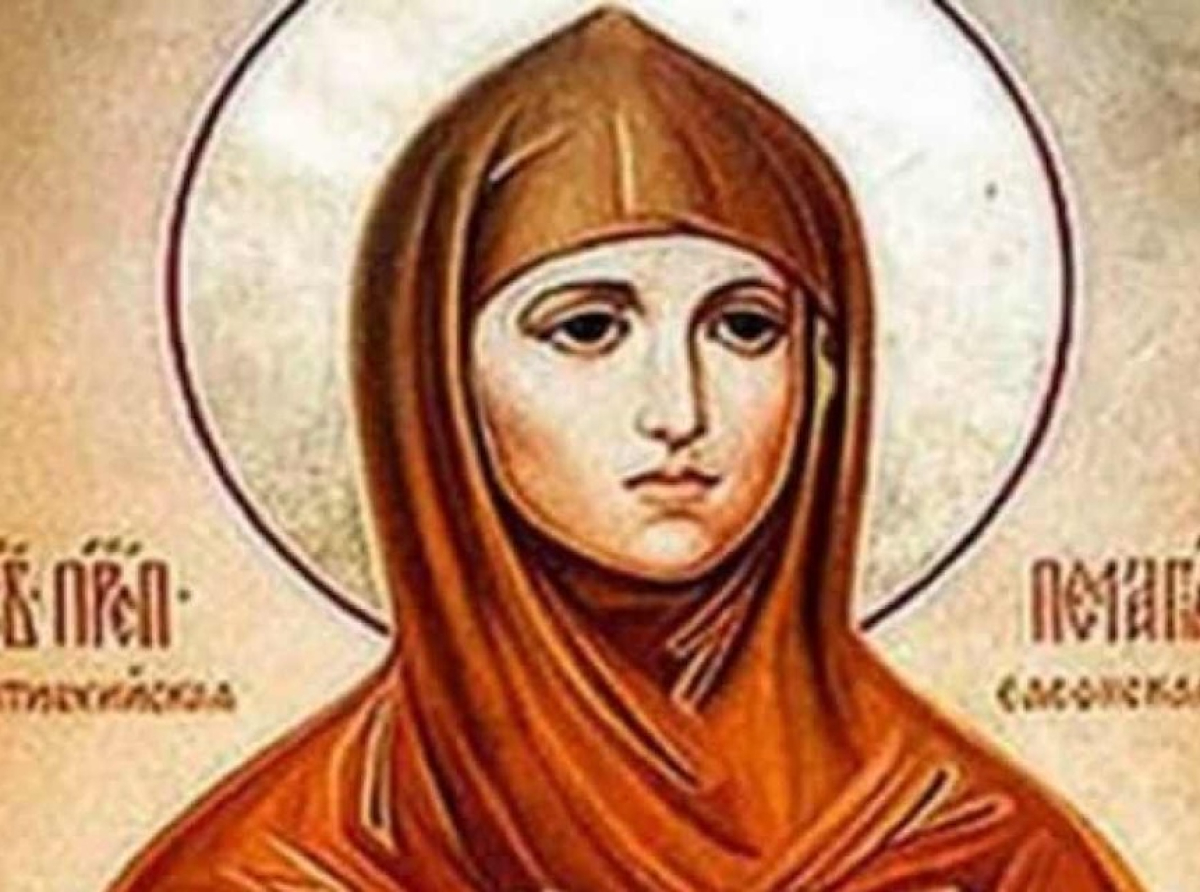
Saint Pelagia of Antioch, the martyr to whom the Vatican’s saint of the day entry for **October 8** is dedicated, offers us a witness of faithfulness to Christ even to the sacrifice of life. In that account, her story is linked with other Christians who publicly expressed their opposition to pagan rites during the reign of Julian the Apostate. Their commemoration invites us to pause and consider the question of faithfulness: how can we remain true to what we believe even when it is not easy?
A name preserved in the traditions of East and West
Pelagia’s name appears in an ancient liturgical calendar commissioned by the Byzantine emperor **Basil II**. Listed alongside her are **Domitius, Aquila, and Theodosius**, with Aquila described as an eparch. The Vatican account thus presents Pelagia not in isolation, but together with other Christian martyrs whose names have been preserved in that calendar.
Their memory has remained alive in the Eastern tradition. It also reached the West through the **Roman Martyrology**. The account therefore brings together an ancient Byzantine liturgical record, the Eastern tradition, and the Western martyrology: different paths by which the memory of Pelagia and her companions has been preserved.
In the face of the emperor’s efforts to restore pagan rites
Pelagia and her companions lived during the reign of **Julian the Apostate**. The emperor sought by every means to restore pagan worship because he believed this would halt the decline of the Empire. This intention is important for understanding the circumstances of their witness: the restoration of the worship of ancient deities was part of the emperor’s effort to reverse the Empire’s fortunes.
According to the Vatican account, the decisive event took place at a public gathering in **Caesarea**. While rites in honor of ancient deities were being celebrated there, Pelagia and her companions openly opposed them. They denounced the falsehood of a religion imposed by force. Their opposition, then, did not go unspoken: before those gathered, they made clear that they did not accept these rites.
Martyrdom in 362
After this witness came arrest and torture, and finally Pelagia and her companions were executed by **beheading**. The Vatican source places their martyrdom in **362**, twelve months before the death of Emperor Julian, who later fell in battle against the barbarians.
This is the chronological framework of the brief account: public opposition to pagan rites in Caesarea, arrest, torture, and death. At its heart remains their steadfastness, for which they are remembered as Christian martyrs.
An invitation to personal prayer
As we reflect on this witness, we can ask ourselves how we live our faith in the decisions of everyday life. We do not need to seek conflict in order to remain steadfast; rather, we can pray for a conscience that will not consent to falsehood and a heart that will not lose its love for others. May this commemoration be an opportunity to bring before God our own fears, hesitations, and decisions in which we need courage.
Prayer
*An original prayer composed for this reflection.*
Lord Jesus Christ, strengthen us in faithfulness to you. When fear overwhelms us, grant us peace; when it is easier for us to keep the truth unspoken, give us the courage to speak it with love. Keep us from contempt for others and from the desire to answer pressure with hatred. Help us follow you in the small decisions of everyday life, with pure hearts and steadfast hope. Through the intercession of Saint Pelagia, lead us along the path of faith, love, and perseverance. Amen.