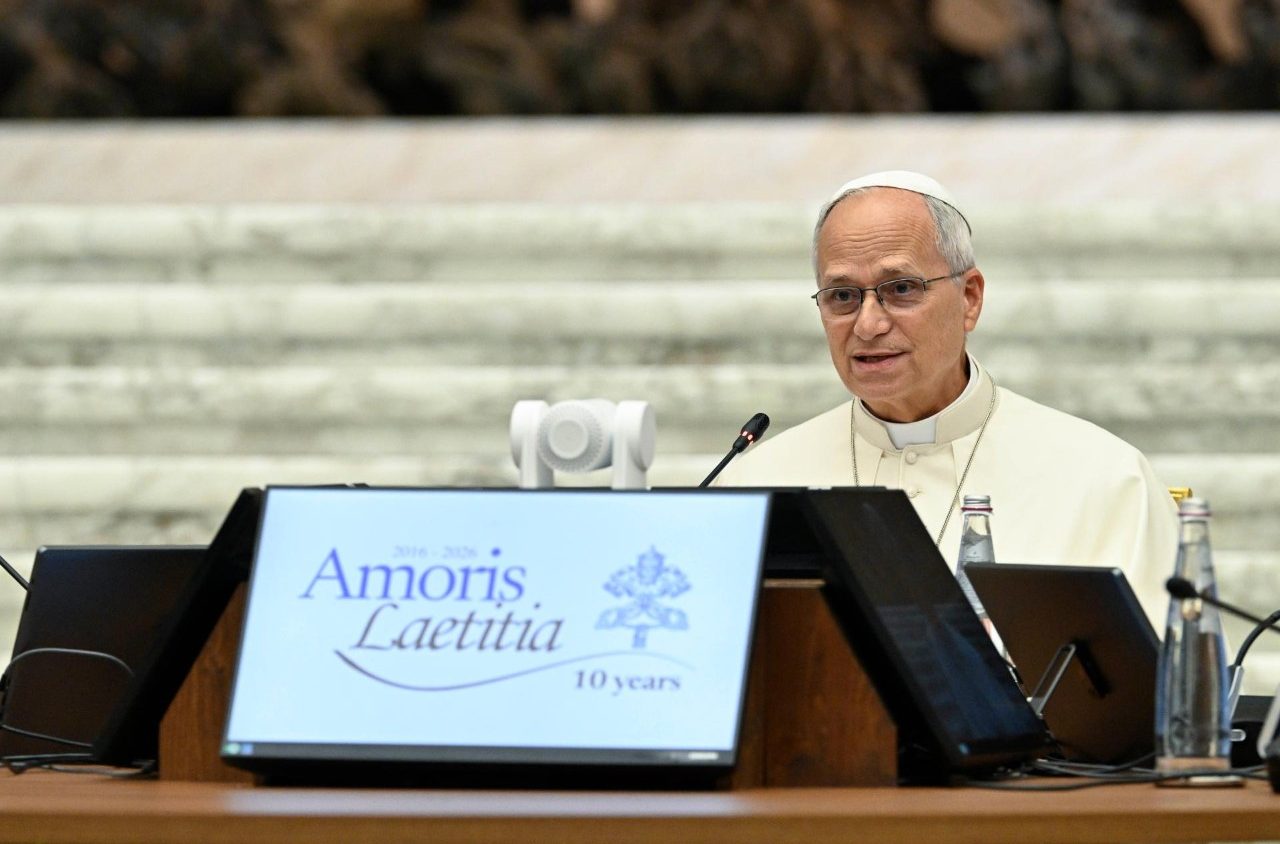
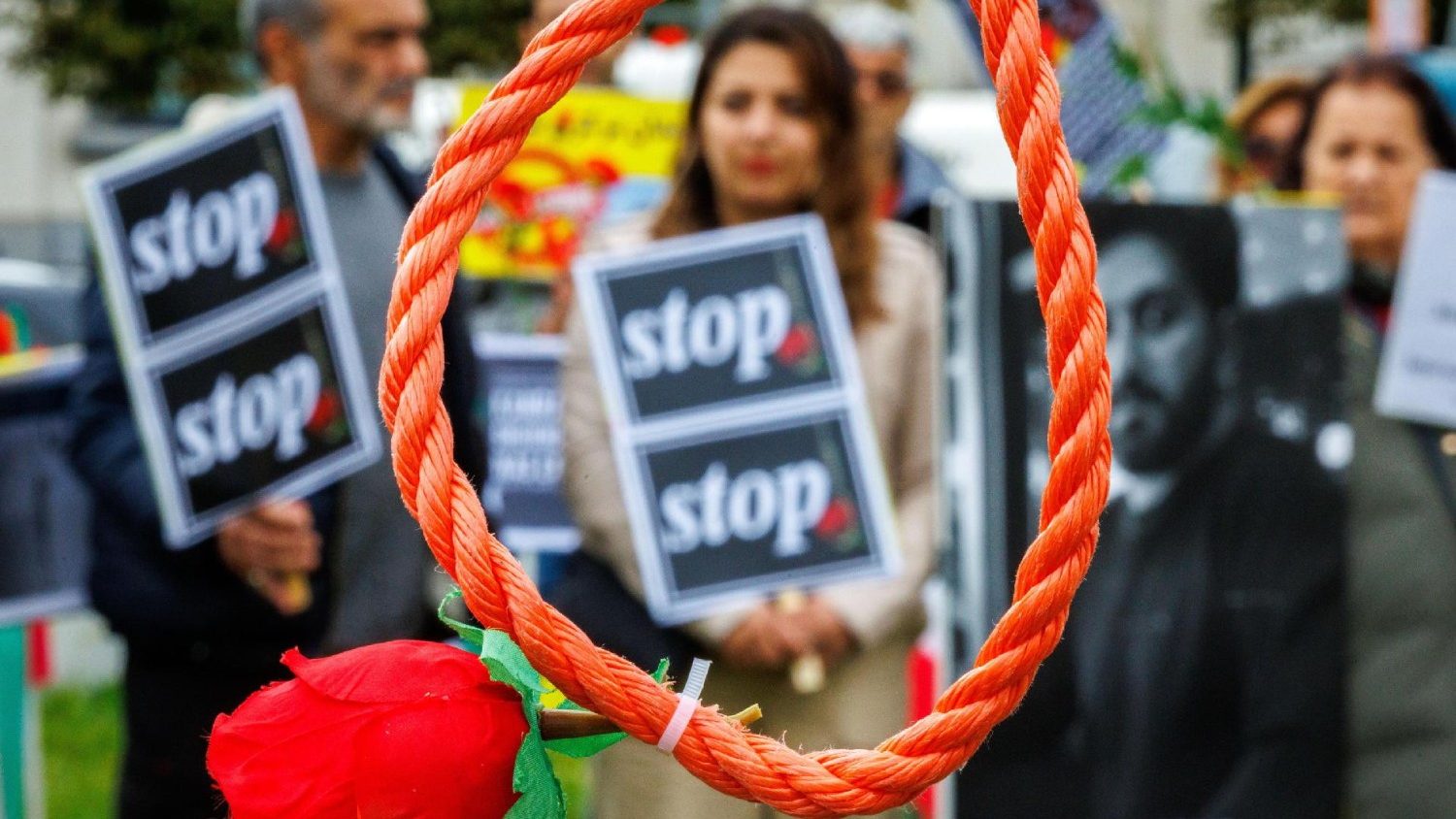
States that retain the death penalty should consider a moratorium on executions without delay as a step toward its abolition, Archbishop Christophe Z. El-Kassis, the Holy See’s Permanent Observer to the United Nations, said. At the 81st session of the General Assembly, in an address on the promotion and protection of human rights, he again stressed that the protection of life must be consistent and universal: it must include every person, at every stage of life and in every circumstance.
He recalled that the death penalty is inadmissible because it constitutes an attack on the inviolability and dignity of the person. The dignity given by God, he stressed, never ceases, regardless of the gravity of the crime committed. In his view, advances in penal systems now enable states to protect society effectively without denying offenders the possibility of repentance and redemption.
Justice for victims, not revenge
El-Kassis also warned of the consequences of a judicial error: once the death penalty has been carried out, there is no possibility of appeal. At the same time, he stressed that victims and their families have a right to solidarity, support, and justice that is timely, impartial and humane. But taking the life of another human being, he said, cannot restore what has been lost. The purpose of punishment is not revenge, but the restoration of social bonds, the protection of the common good and the reintegration of offenders into society.
Despite efforts to abolish the death penalty, executions are still carried out in too many places around the world, the Holy See’s Permanent Observer warned. He therefore renewed his appeal for its abolition. Alongside a moratorium on executions, he called for existing sentences to be commuted and for fair trials to be guaranteed, as well as for investment in rehabilitative and restorative approaches.
Drug trafficking and offenders’ return to society
In a second address, devoted to crime prevention, criminal justice and the international control of drug trafficking, the archbishop called for renewed resolve in the face of the expansion of drug markets. He warned of the links between drug trafficking, corruption and criminal activities around the world, and stressed the need to reduce the production and trafficking of narcotic drugs.
He also emphasized the importance of reform and the full integration of offenders into society. True justice, El-Kassis said, cannot be satisfied with punishment alone.
Indigenous communities as protagonists of their own destiny
In his third address, the Holy See’s Permanent Observer turned to the rights of Indigenous peoples. He stressed that these communities are not objects of development policies, but subjects and protagonists of their own destiny.